
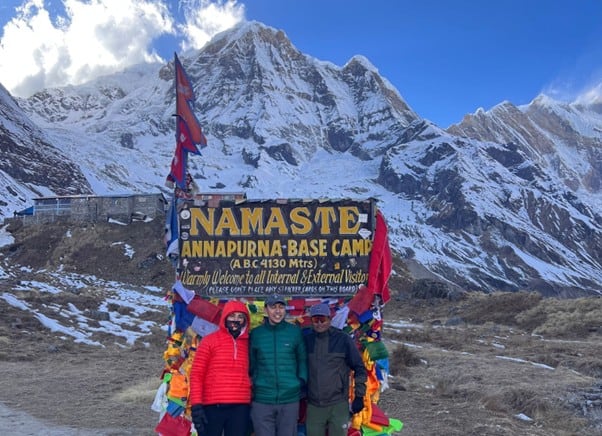
Annapurna Base Camp is often described as one of Nepal’s more accessible high mountain journeys, and the Annapurna Base Camp Trek carries that reputation widely. That reputation holds water, yet it can also be a bit of a trap.
The trek requires no technical climbing skills, but it does demand a steady motor, plenty of patience, and a real-world understanding of what sustained walking in the Himalayas involves.
For many travelers, it marks a first encounter with thin air, isolation, and a way of life shaped by the land rather than the clock.
This guide is written for those seeking clarity over hype. It looks closely at how the trek unfolds day by day, the hurdles that tend to catch first-time trekkers off guard, and why being prepared matters more than simply being excited.
Where the Trek Goes and Why the Landscape Feels So Distinct
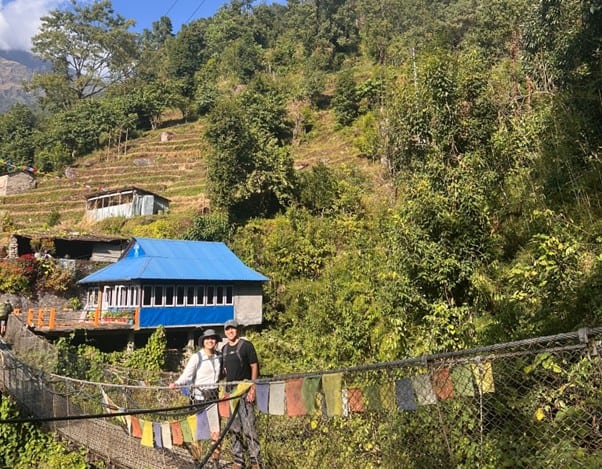
The route into the Annapurna Sanctuary begins without much fuss. Trails pass through terraced fields and small villages where life revolves around farming. Stone houses, prayer flags, and narrow footpaths dominate the early days. As you gain height, the farmland gives way to thick forest. Bamboo and colorful pink, red, and white rhododendrons take over, and the sound of the river is almost always present.
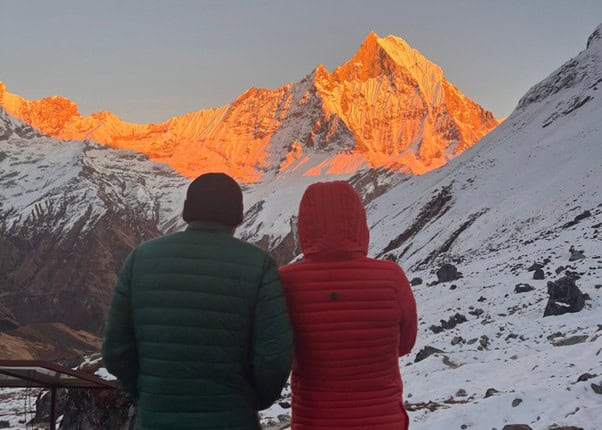
What sets this trek apart is the feeling of the mountains slowly closing in. Unlike long ridge walks that remain open, the Annapurna Base Camp trail draws you deep into a narrowing valley. By the time the sanctuary opens up, the peaks rise almost vertically from the valley floor. The view feels earned because it builds so gradually. This steady transition helps both body and mind adjust at a natural pace.
How Demanding the Walk Really Is
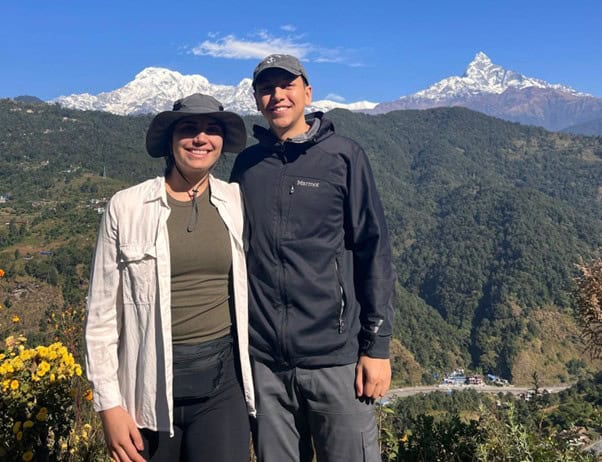
People often describe this trek as moderate. In reality, the difficulty depends more on your legs and lungs than on technical ability. Most days involve five to seven hours of walking, much of it on long stone staircases carved into steep hillsides.
These steps are solid but repetitive, requiring a slow and consistent pace. Walkers who are accustomed to uphill terrain usually find their rhythm after a few days. Those unfamiliar with stairs often find these sections more challenging than expected.
The altitude gain is gradual, which helps keep the risk of altitude sickness relatively low. However, fatigue builds quietly. With few rest days, managing energy, staying hydrated, and sleeping well becomes part of the daily discipline.
What a Typical Day on the Trail Looks Like
Life on the trail follows a steady rhythm. Mornings begin early, often around first light between 6 and 7 a.m. After breakfast at the teahouse, you walk for several hours while the air remains cool.
Lunch is usually taken midday at a lodge along the route. Afternoon walks are shorter, and most trekkers reach their next stop by mid-afternoon. The remaining hours are spent resting, taking short acclimatization walks, or sitting with a cup of tea as clouds drift through the valley.
Evenings are quiet. Meals are shared in communal dining rooms, conversations slow down, and nights end early. The routine is simple, yet it creates space for recovery and reflection.
Accommodation and Food Along the Route
Accommodation comes in the form of mountain lodges known as teahouses. Rooms are basic, typically with twin beds and shared bathrooms. As elevation increases, facilities become simpler, and heating is usually limited to the dining area.
Food is reliable but repetitive. Menus commonly include rice with lentils (dal bhat), noodles, soups, potatoes, chapati, bread, and simple pasta or pizza. Higher on the trail, options narrow, but meals remain filling.
Hot drinks play an important role in staying warm and hydrated. Comfort on this trek comes from having shelter and a hot meal, which is why it remains accessible to such a wide range of people.
The Mental Side of the Trek
Physical fitness matters, but mindset is equally important. The trek involves repeating the same routine each day, sharing close quarters, and moving at a pace dictated by the mountains. Some find this grounding, while others struggle with the lack of privacy and predictability.
Weather shifts, sore muscles, and small discomforts will test patience. Progress is measured in hours walked rather than distance covered. Accepting this early prevents frustration.
For many trekkers, the mental challenge begins before the physical one. Once expectations align with reality, the journey becomes far more manageable.
Villages, Culture, and Trail Life
The trail passes through villages where daily life continues regardless of passing trekkers. Farming and animal care remain central to everyday routines. Evenings in lodges are typically spent in shared dining areas, where conversations remain quiet and unhurried.
Encounters with local people are understated rather than staged. Simple gestures such as greeting respectfully and observing daily life without intrusion matter more than taking photographs. Allowing space for these moments makes the experience feel more genuine.
When the Trek Works Best and When It Does Not
Spring and autumn offer the most stable conditions. Mornings are clear, temperatures are comfortable, and trails are in good shape. Spring brings blooming forests, while autumn delivers the sharpest mountain views.
Winter brings freezing nights and the possibility of snow blocking higher sections. The monsoon months turn the landscape green and lush, but visibility drops and trails become slippery. The trek is possible most of the year, provided expectations match seasonal conditions.
Costs, Permits, and Practical Logistics
Permits are required for the trek, with fees supporting trail maintenance and local communities. These are straightforward to arrange before departure.
Costs vary based on travel style. Independent trekkers cover their own food, lodging, and transport. Others prefer to walk with guides and porters who assist with logistics and carrying loads. Some trekkers choose to walk independently, while others go with experienced local teams such as Nepal Hiking Team, particularly if it is their first time managing altitude and logistics in Nepal.
Common Misconceptions About Annapurna Base Camp
Many assume this trek is a mountain climb. It is not. It is a long, physically demanding walk. It is also not a survival test, as lodges are available throughout the route. At the same time, it should not be underestimated. Preparation strongly influences enjoyment, and understanding this balance leads to a better experience.
Trekkers looking for a quieter and more remote alternative often consider the Manaslu Circuit Trek, which offers similar mountain scale with fewer crowds and a stronger sense of isolation.
A Reflective Closing
Walking to Annapurna Base Camp reshapes how effort and distance are understood. Progress may feel slow, yet days pass quickly once a rhythm forms. The mountains do not demand attention; they simply exist.
For a first experience in the Himalayas, this trek offers a balanced introduction. It provides exposure to altitude and sustained walking without becoming overwhelming.
Long after returning, what lingers is not a single viewpoint, but the memory of steady movement through a place that rewards patience over speed.