
A good ski resort can have hundreds of kilometres of pistes and still be completely the wrong fit for you if all of those runs are either too daunting or too safe for your skill level. Impressive statistics matter far less than whether the mountain offers terrain you can enjoy confidently. Choosing well means being honest about your ability, reading beyond the marketing headlines and considering everything from snow reliability to the journey from your accommodation to the lifts.
The best resort isn’t necessarily the biggest, highest or most famous. It’s the one that allows everyone to ski safely, progress naturally and finish each day wanting to return to the mountain tomorrow.
Understand Your Ability Before Booking
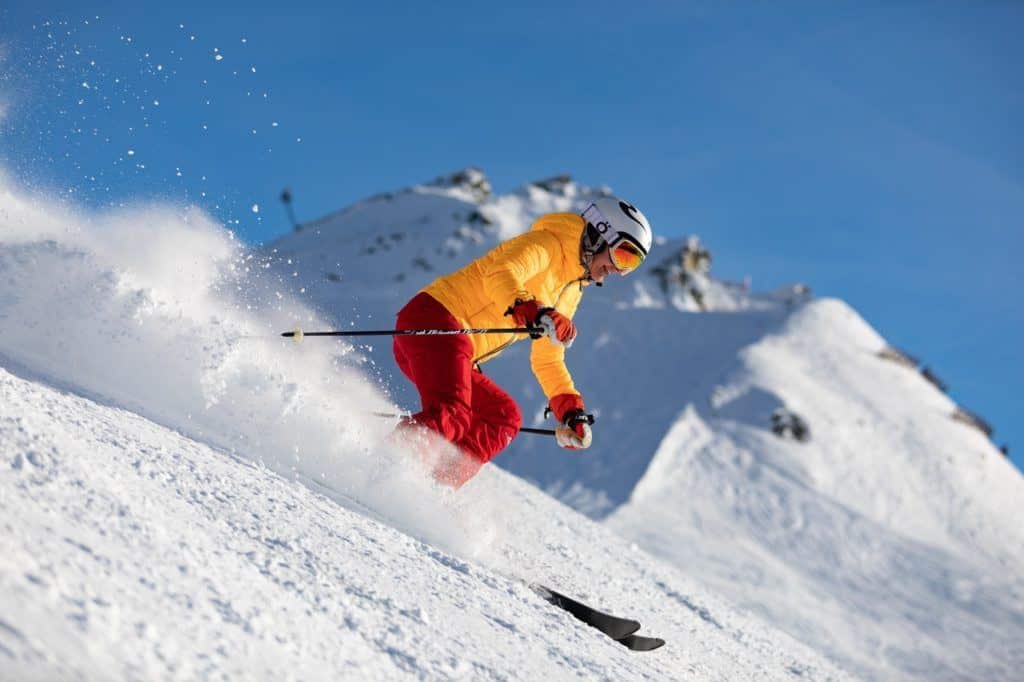
A beginner is generally still learning to stop, turn and use lifts confidently. The best resorts for newcomers have convenient nursery slopes, well-reviewed ski schools and gentle progression areas where learners can move onto longer green and blue runs. Intermediates who can control their speed and link turns on groomed pistes usually benefit from an extensive network of blues and reds. Advanced skiers, meanwhile, may prioritise steep blacks, moguls and demanding marked routes.
Whatever your skiing ability, be realistic rather than ambitious when describing your level. If travelling in a mixed-ability group, choose for the least confident skier. Stronger skiers can usually find challenges, whereas beginners can’t simply improvise their way down an unsuitable mountain.
Read the Piste Map Carefully
Total piste mileage tells only part of the story. Study the proportion of terrain assigned to each ability level and whether suitable slopes are concentrated in one area or spread naturally across the resort. Green, blue, red and black markings generally indicate difficulty. However, grading is relative to the resort, so a blue run on one mountain may feel more demanding than a blue elsewhere.
Beginners should check whether easy pistes are located at altitude as well as beside the village. Intermediates may value linked circuits, while advanced skiers should investigate vertical drop and terrain variety rather than counting black lines alone.
Factor In Travel, Budget and Holiday Style
The right mountain is only part of the holiday. Compare the full cost of lift passes, lessons, equipment hire, transfers and meals alongside accommodation. A cheaper apartment far from the lifts may require daily buses or long walks in ski boots. Paying slightly more for convenient accommodation can save time and considerable family frustration. Families considering resorts can also compare options across different ski holidays to France to find the best balance between convenience, facilities and overall value.
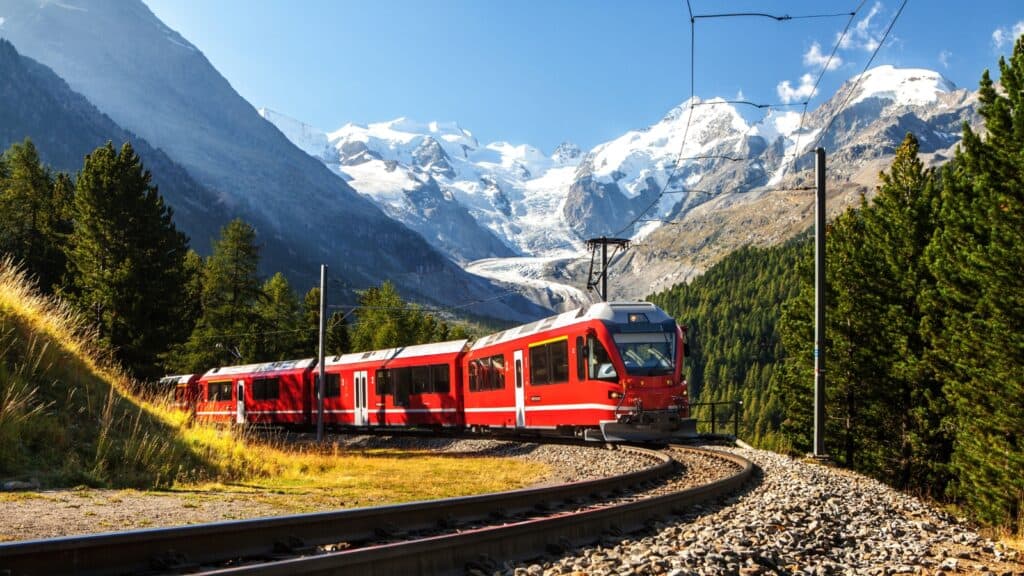
For UK travellers, flights remain practical for many destinations, but rail is becoming a credible alternative. The Eurostar Snow service connects London with stations serving French Alpine resorts, including Moûtiers, Aime-La-Plagne, Landry and Bourg-Saint-Maurice during the winter season. Finally, consider life away from the pistes. Lively après-ski, childcare, spas, restaurants and non-ski activities can determine whether the whole group enjoys the trip.