
You can learn a surprising amount about a town by stepping inside one of its oldest churches. It might stand beside a busy market square, overlook a quiet village, or occupy a corner of a neighborhood that has changed beyond recognition. Inside, names carved into stone, faded memorials, and details added over the centuries offer clues about the people who once gathered there.
For travelers curious about local culture, these buildings can tell fascinating stories. They reflect traditions passed down through generations, events that brought neighbors together, and changes in everyday life. Sometimes, the stories behind a church are every bit as interesting as the building itself.
How Church Architecture Reflects Local Traditions
The materials used to build a church can tell you a lot about the people who built it. Where stone was plentiful, local masons built impressive structures with elaborate entrances and towering spires. In wooded regions, carpenters relied on timber and traditional building techniques, producing churches that looked quite different from those in larger cities.
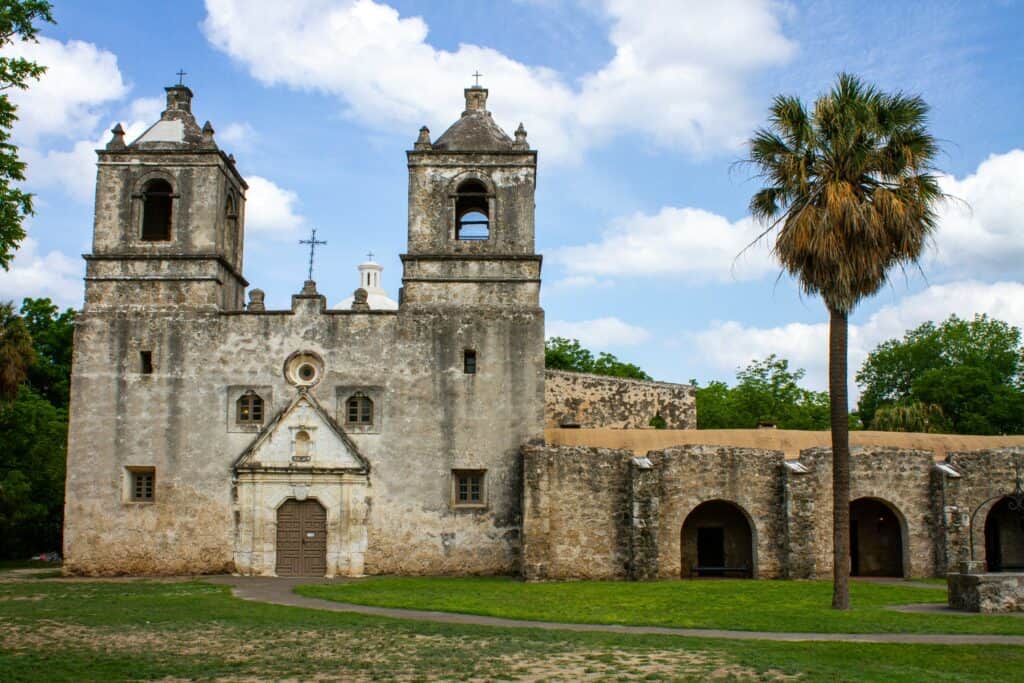
In Texas, the decorative elements of San Antonio’s mission churches combine Catholic symbols with Indigenous designs inspired by nature. Built by Franciscan missionaries during the 18th century, these churches were part of Spain’s efforts to colonize the region and convert Indigenous communities to Christianity. Their architecture reflects the interaction between Spanish and Coahuiltecan cultures, along with the upheaval brought by colonization and religious conversion.
Church buildings rarely remained unchanged. New chapels appeared, families commissioned memorials, and renovations introduced different decorative styles. These additions offer clues about changing tastes, traditions, and the people who left their mark on a place. Even small architectural details can tell a story that a visitor might otherwise miss.
The Communities That Built Them
For families settling in a new country, establishing a church often meant preserving something familiar. It gave people a place to worship in their own language, celebrate important occasions, and maintain traditions they brought from home. Over time, these gathering places became closely tied to neighborhood life.
Pittsburgh’s Polish Hill is a good example. Polish immigrants began arriving in the area during the late 19th century, with many finding work in nearby mills and rail yards. As the community grew, residents petitioned for their own parish. Immaculate Heart of Mary was established in 1897, and a larger church completed in 1905 became one of the neighborhood’s most recognizable landmarks. Its history is closely tied to the Polish families who made the area their home.
You can find stories like this in immigrant neighborhoods worldwide. A church that now looks like another old building may once have been central to a community’s identity. Learning who built it, and what brought those families together, can make the surrounding streets feel much more familiar.
More Than Places of Worship
For generations, churches provided places where neighbors could meet outside religious services. Some supported schools and charitable activities, while others hosted festivals, concerts, and community gatherings. During difficult periods, they could become places where families turned for practical help and familiar company.
St Martin-in-the-Fields, near London’s Trafalgar Square, offers a particularly interesting example. Its present building dates to the 18th century, but the church’s role in London life has continued to develop. Visitors may know it for its concerts and architecture, while its longstanding work supporting people experiencing homelessness tells another part of the story. Both remain closely connected to its identity today.
You can sometimes notice these connections without knowing much about a church’s past. A noticeboard advertising a charity event, a memorial honoring former residents, or music drifting from an evening concert can tell you something about its place in the neighborhood. These everyday details are easy to overlook when you’re concentrating on the building itself.
Community Trust and Religious Leadership
The close ties between churches and their communities often gave religious leaders considerable authority. In Massachusetts, early meetinghouses served as places for worship and town meetings. Religious and civic affairs were closely connected, with residents gathering in the same buildings to discuss matters affecting their communities.
In Wisconsin, immigrant parishes helped families maintain familiar customs and social connections. Priests often became trusted figures, offering spiritual guidance and a sense of continuity for people building new lives far from home. Families could come to rely on them, and that trust brought serious responsibilities, especially when children and vulnerable community members were involved.
In Illinois, for example, some Catholic parishes have had to confront allegations of child sexual abuse involving clergy. Given the trust often placed in religious leaders, what’s known about Donald O’Connor and the Diocese of Joliet raises serious questions about clergy conduct and institutional accountability. O’Connor served in several local parishes before being removed from ministry in 2002 after church officials found an allegation of child sexual abuse credible.
Church histories include cherished traditions and community achievements, but they can also contain painful chapters that deserve acknowledgment. Recognizing these different experiences provides a fuller understanding of an institution and its relationship with the people around it.
Discovering the Local Stories Behind Historic Churches
Some of the most interesting stories about a historic church are found beyond its walls. Local museums, neighborhood walking tours, and historical displays can reveal how a parish developed and which families or events played a part in its past. A conversation with a longtime resident might uncover details that never made it into a tourist brochure.
In Norway, historic stave churches preserve carvings and inscriptions that offer glimpses into medieval life. Dragon motifs appear alongside Christian symbols, reflecting a period when older Norse traditions met Christianity. Marks left by earlier generations provide a more personal connection to the people who worshipped there, sometimes centuries ago.
You can uncover similar stories elsewhere. A nearby museum might explain how an immigrant neighborhood developed, while an old community hall or cemetery could reveal the names of families associated with the church. Local festivals can offer another perspective, especially when traditions established generations ago remain part of everyday life.
Taking time for these discoveries can turn an ordinary sightseeing stop into something much more memorable.
Seeing More Than a Historic Building
Historic churches connect the past with the present, even as the neighborhoods around them change. Some traditions survive for centuries, others gradually disappear, and certain events challenge the familiar stories associated with these landmarks.
A visit becomes more interesting when you understand something about the people who lived nearby. An old inscription might reveal a family name, while a local celebration could preserve a tradition brought from another country generations ago. It’s often these small discoveries, rather than the grandest architectural features, that stay with you long after the trip.