
An Invitation to Travel Deeper
Italy is a country that rewards curiosity. Beyond its celebrated capitals and postcard landmarks lies a remarkable variety of landscapes, from volcanic islands and Alpine valleys to vineyard-covered hills and rugged Mediterranean coastlines. Adventure here does not always mean extreme activity. It can mean climbing an ancient path, joining a local food tradition, exploring a forgotten village or taking a train simply to see where the tracks lead.
The beauty of an Italian adventure is the freedom to combine different experiences within one journey. History, nature, cuisine and outdoor pursuits often sit remarkably close together.
Rome Through an Adventurer’s Eyes
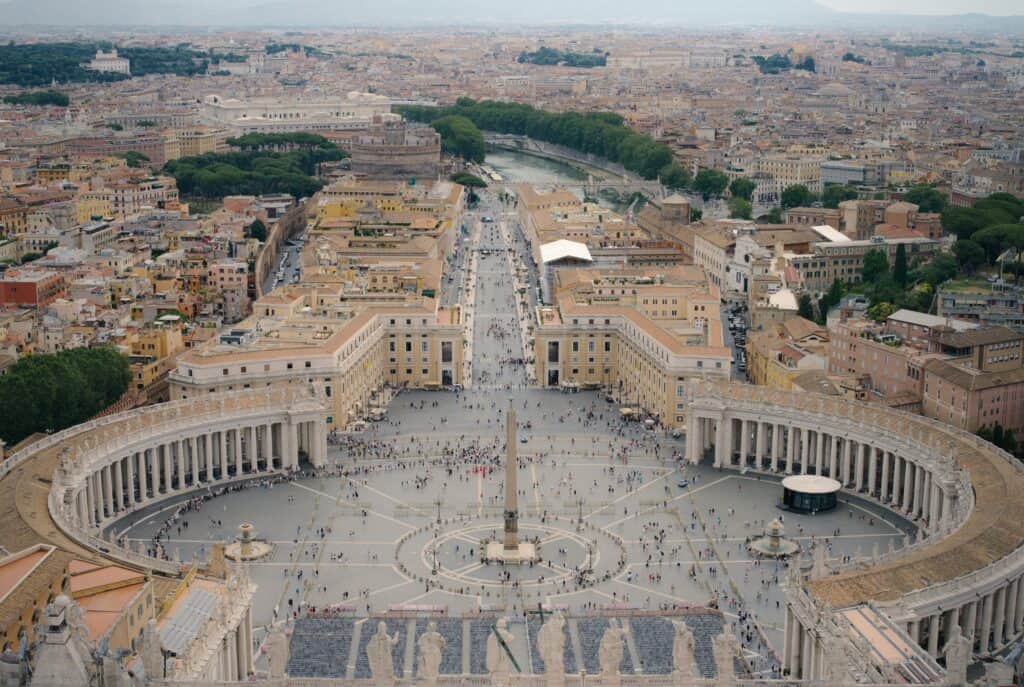
Rome is an obvious starting point, but the capital offers plenty for travellers who prefer movement over conventional sightseeing. Early morning is an ideal time to explore the ancient streets around the Colosseum and Roman Forum before the city becomes busy.
For a change of pace, climb the Gianicolo Hill for views across the rooftops, or follow the paths through Villa Borghese. The Appian Way provides another opportunity to experience the city on foot or by bicycle, with ancient ruins and umbrella pines lining sections of the historic road.
Rome’s surroundings also invite exploration. Hills, lakes and archaeological sites can be reached without travelling far from the centre, making the capital a practical base for combining urban discoveries with outdoor excursions.
Southbound to Naples and Vesuvius
The train from Rome to Naples provides a natural transition into southern Italy, where the atmosphere becomes more intense and the scenery increasingly shaped by volcanic forces. Naples is energetic, expressive and deeply connected to its culinary traditions.
Beyond the city’s historic centre, Mount Vesuvius dominates the horizon. Hiking towards the crater provides a completely different perspective on the region, with views extending across the Bay of Naples on clear days.
The nearby archaeological sites of Pompeii and Herculaneum add another dimension. Wandering through their preserved streets reveals homes, shops and public buildings frozen in a moment of ancient Roman life.
Amalfi Coast on Foot
The Amalfi Coast is famous for its spectacular roads and cliffside villages, but some of its greatest rewards come from leaving the road behind. Hiking paths connect settlements across steep slopes, passing lemon groves, terraces and viewpoints overlooking the Tyrrhenian Sea.
The Path of the Gods is among the best-known routes, winding high above the coastline between villages and offering expansive views across the water. Less demanding walks can be found around Ravello, where gardens and hillside lanes provide a gentler way to appreciate the landscape.
A walking itinerary also reveals how local communities have adapted to dramatic terrain, with staircases and narrow pathways forming an essential part of everyday life.
Venice by Water and Foot
Heading north introduces a completely different kind of adventure. The Rome to Venice train connects the Italian capital with the lagoon city, allowing travellers to watch the landscape change from central Italian countryside to the northern plains.
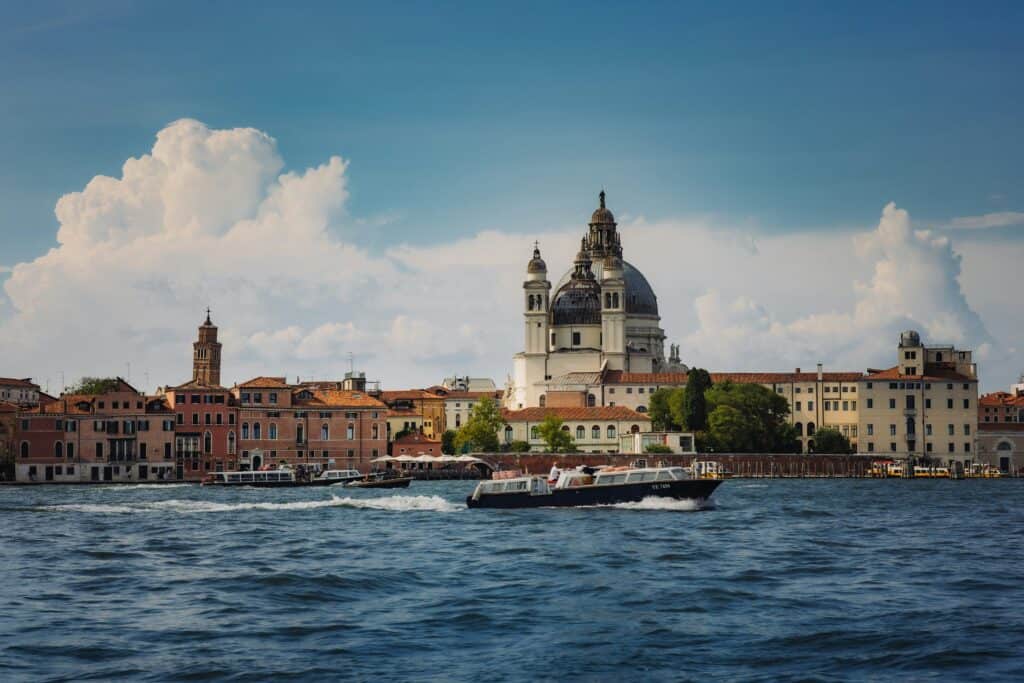
Venice itself is best explored without a rigid plan. Leave the main thoroughfares behind and wander through quieter districts such as Cannaregio or Castello, where small squares and narrow passages reveal a more residential side of the city.
For a different perspective, take a vaporetto across the lagoon or explore the islands of Murano, Burano and Torcello. Kayaking excursions also offer an unusual way to appreciate Venice’s waterways away from the busiest canals.
Dolomite Peaks and Alpine Trails
Northern Italy offers a dramatic change of scenery in the Dolomites, where pale limestone peaks rise above green valleys and mountain villages. The region is a paradise for hikers, climbers and cyclists, with routes suitable for different levels of experience.
In summer, high-altitude trails lead past alpine meadows and mountain refuges. More demanding via ferrata routes combine hiking with protected climbing sections, allowing experienced adventurers to navigate exposed terrain with fixed cables and ladders.
During winter, the same mountains become a major destination for skiing and snowboarding. Resorts scattered throughout South Tyrol and Veneto provide access to extensive slopes surrounded by extraordinary scenery.
Sicily’s Volcanic Wild Side
Sicily brings together ancient culture, rugged coastlines and some of the Mediterranean’s most fascinating volcanic landscapes. Mount Etna dominates the eastern part of the island, with hiking routes extending across its slopes and lava fields.
Depending on conditions and access restrictions, excursions can range from gentle walks around lower sections to more challenging guided ascents. The landscape constantly changes, with black volcanic rock contrasting sharply against vineyards, forests and distant sea views.
The Aeolian Islands offer another opportunity for adventure. Stromboli is famous for its active volcano, while other islands provide opportunities for swimming, sailing, diving and exploring coastal trails.
Sardinia’s Wild Coastlines
Sardinia appeals to travellers who prefer adventure beside the sea. Its coastline includes secluded coves, limestone cliffs and beaches that seem almost impossibly clear beneath the Mediterranean sun.
The island’s interior is equally rewarding. Mountain paths in the Supramonte region lead through rugged terrain, caves and dramatic gorges, while the Gulf of Orosei offers some of Sardinia’s most spectacular coastal scenery.
For experienced hikers, the Selvaggio Blu route combines remote paths, scrambling and sections that require technical skills. Those looking for something less demanding can explore shorter coastal walks or take boat trips to beaches inaccessible by road.
Tuscany Beyond the Vineyard View
Tuscany may be associated with leisurely countryside drives, but its rolling landscape provides plenty of opportunities for active travel. Cycling between hill towns offers a challenging alternative to sightseeing by car, particularly on routes through the Chianti region.
The Val d’Orcia is especially rewarding on two wheels, with winding roads passing cypress-lined hills, vineyards and medieval settlements. Walkers can follow paths between villages or explore the countryside around historic towns such as Pienza and Montepulciano.
After a day outdoors, local cuisine becomes part of the reward. Tuscan cooking relies on simple ingredients, hearty soups, fresh pasta and regional wines.
Adventures on the Italian Lakes
Italy’s northern lakes combine outdoor recreation with elegant waterfront towns. Lake Garda is particularly versatile, offering sailing, windsurfing, canyoning, cycling and hiking around its mountainous northern shore.
Lake Como has a gentler character, although its surrounding hills provide excellent walking routes. Trails above towns such as Varenna and Bellagio lead through olive groves and woodland, revealing changing views of the lake below.
Further west, Lake Maggiore offers mountain excursions and boat connections to the Borromean Islands, creating opportunities to combine nature with historic gardens and palaces.
Food as Part of the Adventure
An Italian bucket list would be incomplete without experiences centred around food. Rather than treating cuisine as something to sample between activities, travellers can make it part of the itinerary.
Join a pasta-making class in Emilia-Romagna, visit a cheese producer in the countryside or learn how traditional pizza is prepared in Naples. Markets provide another route into local culture, with regional ingredients revealing how geography influences Italian cooking.
Evening meals can become destinations in themselves, particularly in smaller towns where family-run restaurants focus on seasonal produce and recipes passed through generations.
Finding Your Own Italian Challenge
Italy offers enough variety to build an adventure around almost any interest. A single itinerary might combine volcanic hiking in Sicily, cycling through Tuscan hills and kayaking around a northern lake. Another could focus on alpine climbing, coastal walks and historic towns connected by rail.
The country becomes particularly rewarding when travellers allow room for unexpected detours. A mountain road, village festival, quiet beach or local market can become one of the strongest memories of the entire trip.
Italy’s greatest adventure may simply be discovering how much more there is beyond the landmarks everyone already knows.