
There is a version of Maui that exists purely on screensavers, palm-fringed beaches, overpriced cocktails, and a pool surrounded by people who haven’t left the resort since Tuesday. That version is real, and honestly, nothing wrong with it. But if you’ve arrived at that stage of life where you’d rather have a story to tell than a sunburn to show, Maui has something far more interesting waiting for you beyond the hotel gates.
The Valley Isle, as locals call it, is Hawaii’s second-largest island and arguably its most diverse. Within a single day you can drive through a cloud forest at 10,000 feet on the slopes of Haleakalā, descend into the cowboy country of Upcountry Maui, and still make it back to the coast in time for sunset over Lānaʻi. For grown-up travellers who’ve already done the “lie on a beach for a week” holiday, Maui rewards curiosity in a way few destinations can match.
But let’s not skip the ocean entirely, because what lies beneath Maui’s waters is genuinely extraordinary, and experiencing it properly makes all the difference. Pride of Maui, a family-owned and operated tour company with over 40 years of experience in Hawaiian waters, has spent decades perfecting the art of getting guests up close with two of Maui’s most iconic marine sites: Molokini Crater and Turtle Town. Molokini is one of only three submerged volcanic calderas in the world open to snorkelling, and on a clear morning the visibility can exceed 100 feet, so clear, in fact, that looking down feels less like swimming and more like floating above a living painting. Turtle Town, a series of underwater lava formations, is exactly what it sounds like, and a genuine honu (Hawaiian green sea turtle) encounter in open water is one of those travel moments that’s difficult to describe without sounding like you’ve gone completely over the edge.
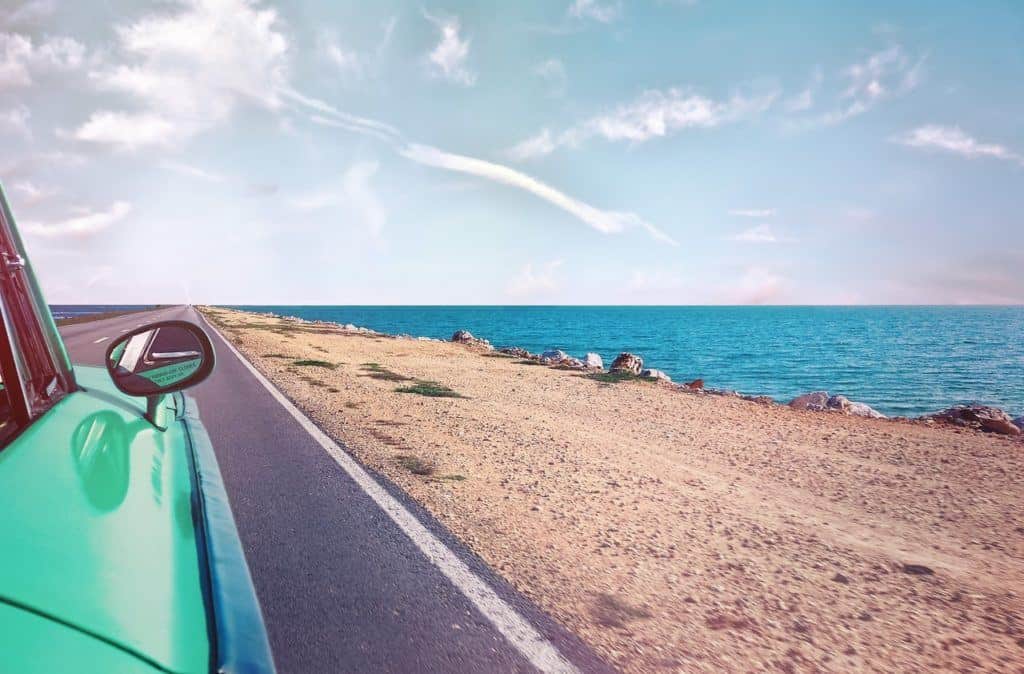
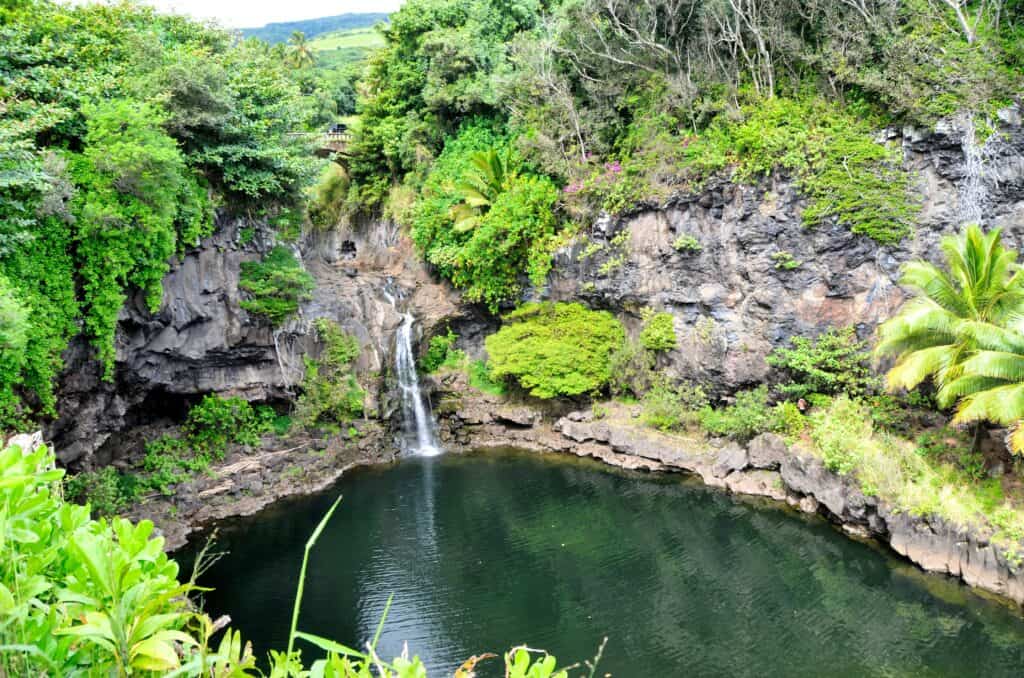
If the ocean tours are the highlight of the coast, then the Road to Hāna is the highlight of the land. This legendary 64-mile drive along Maui’s northeastern shoreline is winding, occasionally terrifying, and absolutely non-negotiable. The payoff is an almost absurd parade of waterfalls, bamboo forests, black-sand beaches, and lookouts where you’d be forgiven for pulling over every five minutes. The key grown-up insight: leave early, stop often, and for the love of all that is holy, don’t try to do it as a rushed day trip back-to-back with something else. The road demands respect, and rewards it generously.
Back inland, Upcountry Maui tends to fly under the radar of first-time visitors, which is precisely why experienced travellers love it. The towns of Makawao and Kula sit at elevation, wrapped in a cooler, more agricultural version of the island, and are home to working farms, boutique wineries, and one of the best farm-to-table dining scenes in the state. If your idea of a great evening involves a glass of Maui-grown Syrah, a plate of locally-raised grass-fed beef, and a view across the Central Valley at dusk, Upcountry is your answer.
For cultural depth, head to the northern coast. The town of Pāʻia is a former plantation town turned surf-and-soul hub, full of independent art galleries, health food cafés, and a general atmosphere that makes it feel like Maui’s creative heartbeat. Further east, the Hāna Highway passes through communities where Native Hawaiian culture is very much alive, and if you take the time to listen and learn rather than rush through, those interactions tend to leave the deepest impressions.
One of the underrated privileges of travelling Maui as an adult with a bit of latitude in your schedule is whale season. Between December and April, tens of thousands of North Pacific humpback whales make their annual migration to the warm, shallow waters of the Maui Channel to breed and give birth. Watching a 40-tonne whale breach from the deck of a boat is one of those life-experience benchmarks that tends to recalibrate everything. The whales are impossible to miss if you’re out on the water during peak season, and many operators, including Pride of Maui, incorporate whale watching into their tours when conditions allow.
The practical case for Maui is simple: it is genuinely manageable. Unlike Oahu, which can feel overwhelming in peak season, Maui retains a sense of scale that lets you actually experience the island rather than just surviving it. Fly into Kahului, rent a car, and within 20 minutes you can be driving toward almost any corner of the island. Accommodation ranges from budget-friendly condos in Kīhei to genuine luxury resorts in Wailea, and the food scene, from roadside shave ice to award-winning tasting menus, is one of the best in the Pacific.
The grown-up version of Maui is not a compromise. It is, in fact, the full version, one that trades pool-side passivity for active curiosity, and replaces a week of identical sunrises with a genuinely varied, memorable, and occasionally humbling encounter with one of the most beautiful islands on earth. Whatever brought you to this point in life, the kids are grown, the diary finally has some breathing room, or you’ve simply decided you’re done with ordinary, Maui has more than enough to justify the flight. Go properly, and go soon.