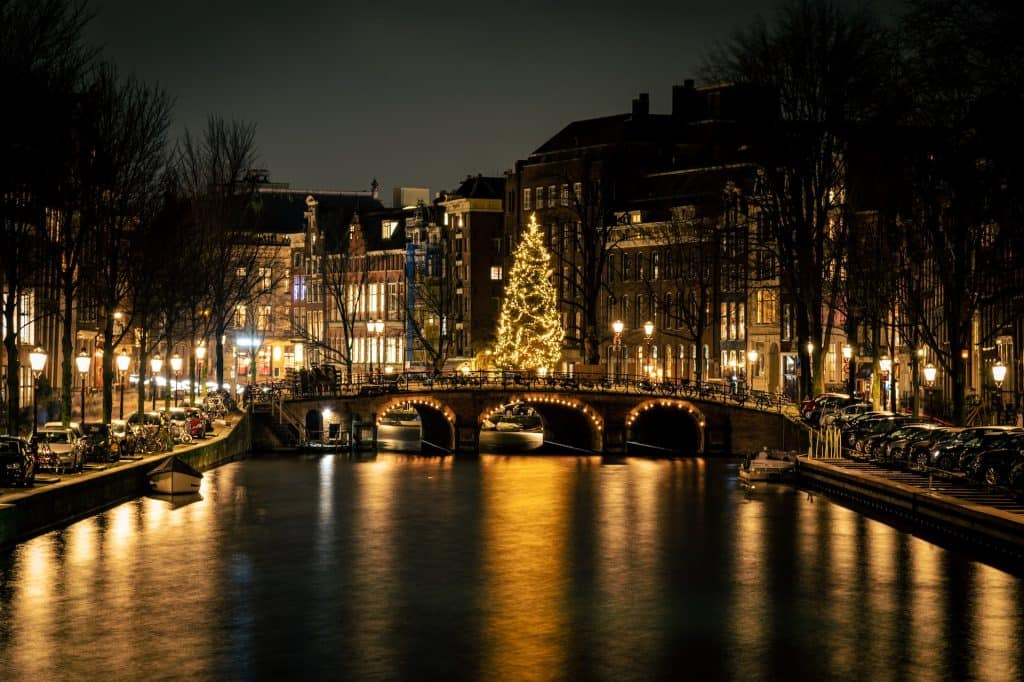

Cold Streets, Steaming Cups
Winter gives European cities a different personality. Stone squares become quieter, evening lights glow against frosty pavements, and cafés turn into welcoming refuges from the cold. Across the continent, seasonal drinks are closely tied to this atmosphere, with recipes shaped by local ingredients, festive customs and generations of home cooking.
Some are familiar favourites, such as mulled wine, while others are more distinctive, combining spirits, spices, coffee or fruit with regional traditions. Sampling them can become a delicious way to understand a destination, particularly when temperatures encourage lingering indoors.
Prague’s Spiced Winter Tradition
Prague is especially atmospheric during the colder months. Gothic towers rise above the Old Town, Christmas markets fill historic squares, and small cafés provide shelter from the chilly air. Hot wine, known locally as svařák, is a seasonal favourite, usually prepared with red wine, spices and citrus.
The drink is particularly enjoyable at an outdoor market, where the aroma of cinnamon and cloves mixes with the scent of roasted nuts and freshly baked pastries. It is less about sophistication than warmth and conviviality, making it perfectly suited to a winter evening in the Czech capital.
Prague’s café culture offers alternatives too, including hot chocolate and strong coffee served alongside traditional cakes and pastries.

A Rail Route Between Two Great Café Cities
The journey south from Prague brings another capital renowned for its relationship with coffee, cakes and leisurely afternoons. The train from Prague to Vienna makes the connection straightforward, while the changing scenery outside the carriage provides a pleasant transition between two Central European cultures.
Vienna’s winter drinking traditions are closely connected with its famous coffee houses. A cup of melange, Austria’s answer to a creamy cappuccino, can be enjoyed with a slice of cake while watching the city move beyond ornate windows.
For something stronger, punch is particularly popular during the festive season. Market stalls serve varieties made with fruit, spices and spirits, with recipes differing from one vendor to another.
Vienna’s Coffee-House Ritual
Vienna’s coffee houses deserve attention beyond their famous interiors. They have long functioned as places for conversation, reading and contemplation, allowing customers to spend considerable time over a single drink.
The classic melange combines espresso with steamed milk and a layer of foam. Other choices include Einspänner, traditionally served with strong coffee and a generous topping of whipped cream.
Pairing these drinks with an apple strudel or a slice of Sachertorte creates a distinctly Viennese winter experience. The combination is particularly appealing after several hours spent walking along the Ringstrasse or visiting museums in the city centre.
Budapest After Dark
Further east, Budapest develops its own winter rhythm. The Danube becomes a dramatic backdrop for evening walks, while thermal baths provide a welcome escape from the cold. After dark, cafés and restaurants fill with residents seeking warmth and conversation.
For travellers continuing through Central Europe, the Vienna to Budapest train offers an easy link between the two capitals. Once in Hungary, it is worth seeking out drinks that reflect the country’s distinctive culinary traditions.
Forralt bor, Hungary’s version of mulled wine, appears during the colder season, often flavoured with cinnamon, cloves and citrus. Pálinka, a traditional fruit brandy, is another important part of Hungarian drinking culture, although its high alcohol content makes it better suited to sipping slowly.

A Scandinavian Approach to Winter
Northern Europe takes cold-weather drinks seriously. In Sweden, glögg is closely associated with Christmas, combining heated wine or spirits with spices such as cinnamon, cardamom and cloves. It is frequently served with raisins and almonds, adding texture to the fragrant drink.
Norway has its own version, commonly called gløgg, while Denmark serves gløgg during the festive season. Recipes vary from household to household, but the underlying idea remains the same: warming spices, seasonal gatherings and something hot to hold while the temperature drops outside.
These drinks are often enjoyed alongside biscuits or gingerbread, turning a simple cup into part of a wider winter ritual.
Germany’s Market Favourite
Germany’s Weihnachtsmärkte are famous for their festive atmosphere, and few drinks are more closely associated with them than Glühwein. Red wine is gently heated with spices and citrus, creating a rich aroma that fills market squares across the country.
Each city has its own atmosphere. Nuremberg’s market is known for its historic setting, Cologne places its stalls beneath the city’s enormous cathedral, and Dresden’s Striezelmarkt has centuries of history behind it.
White mulled wine and alcohol-free versions have become increasingly common, giving visitors more choice while preserving the traditional character of the experience.
A French Pause With Something Warmer
France approaches winter drinks with characteristic attention to cafés and presentation. Hot chocolate, particularly in Paris, can be an indulgent choice during colder weather. Unlike the thinner cocoa drinks found elsewhere, French chocolat chaud is often thick, rich and intensely chocolatey.
A café table near a fogged-up window provides an ideal setting for watching pedestrians hurry along winter streets. In mountain regions, hot wine and herbal infusions become more common, reflecting the influence of Alpine traditions.
Normandy and Brittany also have strong apple-based drinking cultures, with warm cider appearing alongside regional dishes during the colder season.
Italy’s Espresso Season
Italy may not have the same association with freezing winters as northern Europe, but colder months reveal another side of its café culture. Espresso remains the essential choice, often enjoyed quickly at the bar before continuing with the day.
In northern cities such as Milan and Turin, winter brings opportunities to try bicerin, a layered drink combining espresso, chocolate and cream. Turin is particularly associated with this indulgent speciality, which dates back to the city’s historic café culture.
A thick hot chocolate can also be an excellent choice during a winter afternoon, particularly when paired with Italian pastries or a slice of panettone during the festive season.
Alpine Comfort in a Cup
Across the Alps, winter drinks often reflect the relationship between mountain life and cold weather. Hot spiced wine, herbal teas and fortified drinks are common in ski resorts, where visitors return from snowy slopes looking for something warming.
Switzerland offers vin chaud alongside its famous hot chocolate, while Austria’s mountain regions serve variations of punch and mulled wine. Some recipes incorporate local fruit, while others rely heavily on spices and citrus.
These drinks are often best enjoyed after spending time outdoors, when the contrast between icy air and a steaming cup becomes part of the pleasure.
Beyond the Festive Season
Although many European winter drinks are associated with Christmas markets, their appeal extends beyond December. January and February can be ideal months for discovering them, when historic cities are less crowded and cafés feel especially inviting.
A winter drink also provides a simple way to slow down during a city break. Instead of rushing between landmarks, travellers can take an hour to sit somewhere warm, observe local routines and enjoy a flavour closely connected with the place.
From Prague’s svařák to Vienna’s coffee-house classics and Budapest’s spiced wine, these beverages reveal how European cultures respond to the colder months. Each recipe carries its own character, but all share the same essential purpose: making winter feel a little more welcoming.