

Morocco’s craft scene is not a quaint sideshow, it is a major part of everyday life and a serious economic powerhouse. The artisanat sector generated about 140 billion dirhams in turnover in 2024, around 7% of the country’s GDP, which tells you just how central traditional crafts and markets are to Morocco today. When we wander through a medina or step into a tiny workshop down a side alley, we are not just browsing souvenirs, we are connecting with a living craft culture that supports hundreds of thousands of artisans and their families.
Key Takeaways
| Common Question | Key Insight |
|---|---|
| Where are the best traditional markets in Morocco for crafts? | For classic souk experiences, Marrakech, Fez, and Essaouira are hard to beat. If you like quieter, more local markets and craft towns, we dive into some ideas in our guide to hidden gems of Morocco. |
| What traditional crafts is Morocco famous for? | Hand‑woven carpets, leatherwork, metal lanterns, ceramics, wood carving, and traditional clothing like djellabas and kaftans are among the most sought‑after items, many produced in historic medinas such as Fez and Marrakech. |
| Can I combine craft shopping with a wider cultural trip? | Absolutely. Many travellers pair market time with coastal towns, mountains, and desert, for example via itineraries like those starting from Gibraltar and exploring northern Morocco, as in this sailing route. |
| How important are crafts to Morocco’s economy? | Traditional crafts are a backbone of local livelihoods. Regions such as Fez‑Meknès and Marrakech host tens of thousands of artisans and units, and export activity continues to grow year after year. |
| How do I experience crafts beyond simple shopping? | Look for artisan workshops, local guides, and themed cultural trips. You can get a feel for this style of deeper travel in our overview of curated journeys with Gypsian Tours. |
| Can I mix crafts and food experiences? | Yes, and you should. Traditional markets are as much about produce and spices as they are about textiles and pottery, which ties in perfectly with the kind of food‑focused travel we cover in our broader culinary journeys content. |
| Is Morocco a good choice for culturally rich but comfortable travel? | It is ideal for the post‑backpacking generation. You can stay in characterful riads, enjoy good food and solid comforts, then head out into lively markets and quiet artisan quarters during the day. Our dedicated Morocco section has plenty of inspiration. |
1. Why Morocco’s Traditional Crafts And Markets Matter Today
When we talk about Moroccan markets, we are not just reminiscing about our backpacker days bargaining for a leather bag in a smoky alley. We are looking at a sector that still drives local economies and keeps age‑old skills alive. Nationally, more than a quarter of a million craft units operate across the country, from city medinas to remote mountain villages.
Fez‑Meknès alone employs over 144,000 artisans across 44,000 units, which gives you an idea of how many lives are tied to the stalls and workshops you walk past. As grown‑up travellers, we have the luxury of time and a bit more budget, so we can browse more thoughtfully, ask questions, and choose pieces that have real stories behind them rather than just chasing the lowest price.

2. Marrakech Souks: Carpets, Lanterns, And Leather For Grown‑Up Shoppers
For many visitors, Marrakech is the first serious encounter with Moroccan markets. The medina is a dense network of souks, each specialising in something different, from glowing metal lanterns to stacks of hand‑woven rugs. It can feel overwhelming on a short break, which is why we like to pick one or two areas to focus on instead of trying to conquer the entire maze.
Marrakech is not just about retail therapy either. The region exported around 458.5 million dirhams of artisan products in 2024, up 41% on the previous year, so what you see in the stalls often mirrors global design trends. Expect to find Beni Ourain style rugs, brass lighting that would not look out of place in a Scandinavian living room, and smart leather bags that suit both work trips and weekends away.

3. Fez And Meknès: Immersive Medinas And Serious Craft Heritage
If Marrakech is the gateway, Fez is the deep dive. Its UNESCO‑listed medina is one of the best places in the country to see traditional crafts being produced in front of you. You can watch ceramic tiles being painted by hand, hear the hammering from copper workshops, and peek into tanneries where leather is still cured in large stone vats.

Fez‑Meknès accounts for roughly 16% of national artisanat units and generates over 10 billion dirhams in turnover, which means the region has both scale and depth when it comes to handicrafts. For travellers, that translates into choice, from simple everyday pottery to high‑end, quality‑labelled pieces that command higher prices but also come with greater traceability and finish.
4. Coastal Craft Markets: Essaouira, Asilah, And Northern Morocco

Moroccan coastal towns offer a welcome contrast to the intensity of the big inland medinas. Essaouira, for instance, has a relaxed atmosphere, ocean air, and a compact medina that is particularly strong on wood carving, inlaid thuya boxes, and contemporary art that nods to traditional motifs. Prices here can be a little higher than in some inland cities, but browsing is far more relaxed.

Further north, destinations like Asilah and Tetouan pair Atlantic or Mediterranean views with local craft markets and artisan cooperatives. If you prefer to arrive in style, you can even sail in from Europe, as described in itineraries that start in Gibraltar and hop along the Moroccan coast, pairing harbourfront strolls with time in small, characterful souks.

5. Craft Traditions Of The Atlas Mountains And Desert Towns
Leave the cities behind and you start to see how closely Moroccan crafts are linked to landscape and lifestyle. In Atlas Mountain villages around places like Imlil and the Ourika Valley, weaving is still largely a household activity. Families produce rugs in bold Berber patterns, often using natural dyes and wool from their own flocks.
Further south, in oases and desert towns on the way to M’Hamid or the Draa Valley, you come across jewellery that reflects Saharan trade routes and simple yet beautifully shaped pottery used for everyday cooking. These markets are usually much smaller than in the big cities, which can make encounters with artisans more personal and prices more straightforward.
6. How To Shop Moroccan Markets Like A Grown‑Up (And Feel Good About It)
Most of us are past the stage of haggling for an hour to shave a few dirhams off a price. We want fair, respectful exchanges that benefit both sides. In Moroccan markets that usually means starting with a friendly greeting, asking about how an item is made, then negotiating with a smile and a sense of humour.
Prices in markets vary wildly depending on location, quality, and how much work went into each piece. A hand‑knotted wool rug will obviously cost more than a machine‑made runner, and a piece produced in a small cooperative or by a quality‑labelled artisan will usually fetch a premium. Think in terms of value per year of use back home rather than raw numbers on a price tag.
| Item Type | What Affects Price | How To Spot Quality |
|---|---|---|
| Rugs & Carpets | Size, wool quality, knot density, age | Back of rug should look almost as neat as the front, colours rich but not shiny plastic |
| Leather Goods | Type of leather, stitching, lining | Even stitching, solid buckles, leather that feels thick yet supple |
| Metal Lanterns | Hand‑cut vs punched, material (brass, copper) | Fine, consistent patterns and no sharp unfinished edges |
| Ceramics | Hand‑painted designs, glaze quality | Patterns that are not identical, glaze without cracks or bubbles |
7. Tastes Of The Souk: Spices, Street Food, And Market Cafés
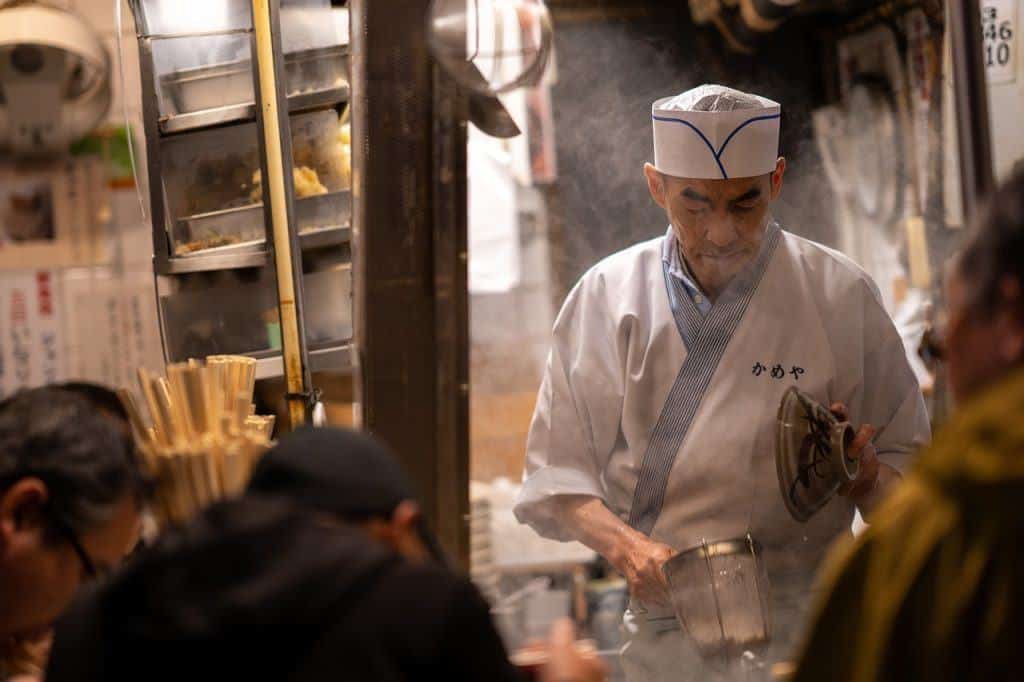
It is impossible to talk about traditional markets in Morocco without mentioning food. Spices, olives, preserved lemons, and sticky pastries are as much a part of the souk experience as kilims and teapots. For many of us, the quickest way to connect with a place is through what we eat, and Moroccan markets are essentially open‑air larders.
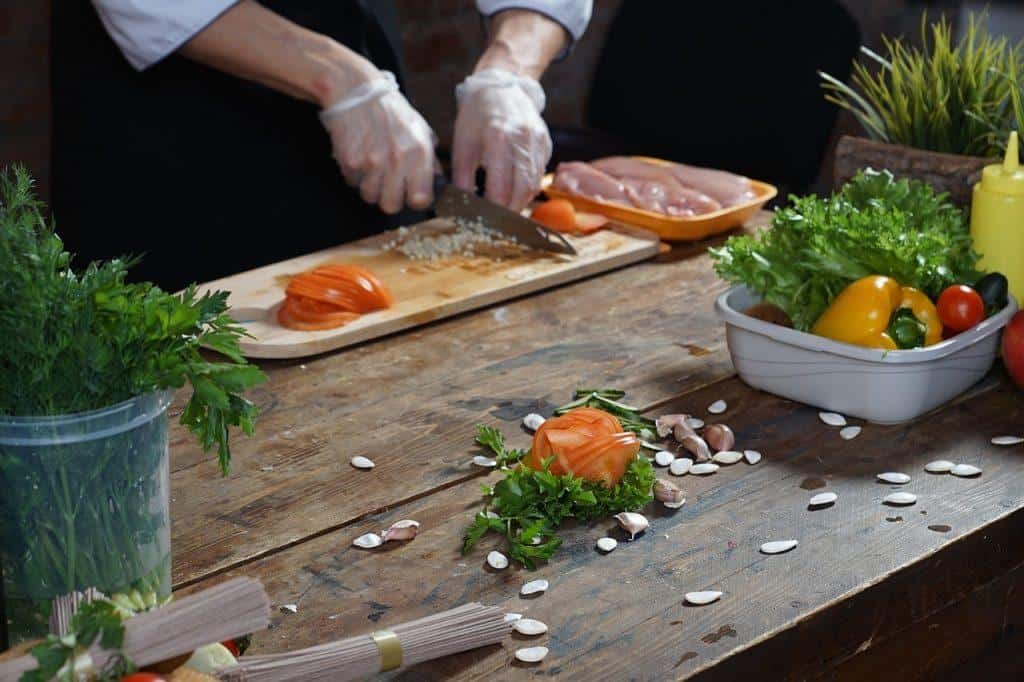
We like to treat market snacking as part of a broader culinary journey. Start with a glass of freshly pressed orange juice, sit down for a simple tagine lunch near the market, then pick up harissa, ras el hanout, and mint for tea to take home. If you enjoy planning trips around food as much as we do, it is worth looking into structured culinary experiences that help you dig into the history and techniques behind those fragrant stalls.
8. Following In Ibn Battuta’s Footsteps: Historic Trade, Modern Markets
Long before we flew in for a long weekend, Moroccan explorers were criss‑crossing North Africa, the Middle East, and beyond. Ibn Battuta, probably the country’s most famous traveller, wrote extensively about markets and trade routes in the 14th century, documenting goods, people, and customs across three continents. Reading about his journeys puts today’s craft markets in a useful historical context.
Many of the items you see in today’s souks, from jewellery styles to textiles, have roots in centuries of exchange along those routes. When we buy a hand‑engraved bracelet or a patterned bowl, we are tapping into a design language that has evolved through generations of trade and cultural mixing.
9. Curated Trips And Comfortable Ways To Explore Markets
If you like the idea of getting under the skin of Moroccan crafts but prefer not to organise every detail yourself, curated trips can be a smart solution. Small‑group journeys often weave together market visits, artisan workshops, and time in quieter destinations, balancing cultural depth with comfortable stays and decent food. You get someone else to handle the logistics while you focus on enjoying the experience.
For the post‑backpacking crowd, this strikes a good compromise. You still have plenty of independent time to wander medinas and browse at your own pace, but you also benefit from guides who know which cooperatives genuinely support local women, where to find less touristy markets, and how to avoid the common pitfalls of high‑pressure sales environments.
10. Using European Stopovers To Frame A Moroccan Craft Trip
Many of us like to combine trips when we can, especially if we are flying from further afield. Cities like Granada in Spain, with their own Moorish heritage and atmospheric quarters, make excellent stepping stones into or out of Morocco. Wander through old neighbourhoods, sip mint tea in teterías, and you start to see the historical threads that tie Andalusia to North Africa.

Likewise, Gibraltar is more than a curious rock with a border. It can be your launching pad for a sailing journey along northern Morocco, dropping you into harbours that are still closely linked to the inland markets and crafts we have talked about.

Thinking in terms of twin‑centre trips like this often works very well for grown‑up travellers who have the flexibility to travel a little longer and do more with each flight.

Conclusion
Exploring traditional crafts and markets in Morocco is one of those travel experiences that feels richer the older and more experienced you get. You recognise the skill in a hand‑woven rug, appreciate the years behind a potter’s steady hand, and understand that your dirhams are feeding real families as well as your own desire to bring something meaningful home.
Whether you are losing a pleasant hour in a quiet Atlas village souk or navigating the full sensory onslaught of Marrakech’s main markets, the key is to slow down and engage. Ask questions, watch people work, follow your curiosity into side alleys, and give yourself space to sit with a mint tea and absorb it all. Morocco’s crafts are not going anywhere, but the chance to experience them as an active, curious traveller today is something we think is well worth seizing.